Classic. The line above your names, then a plain “invite you to celebrate.”
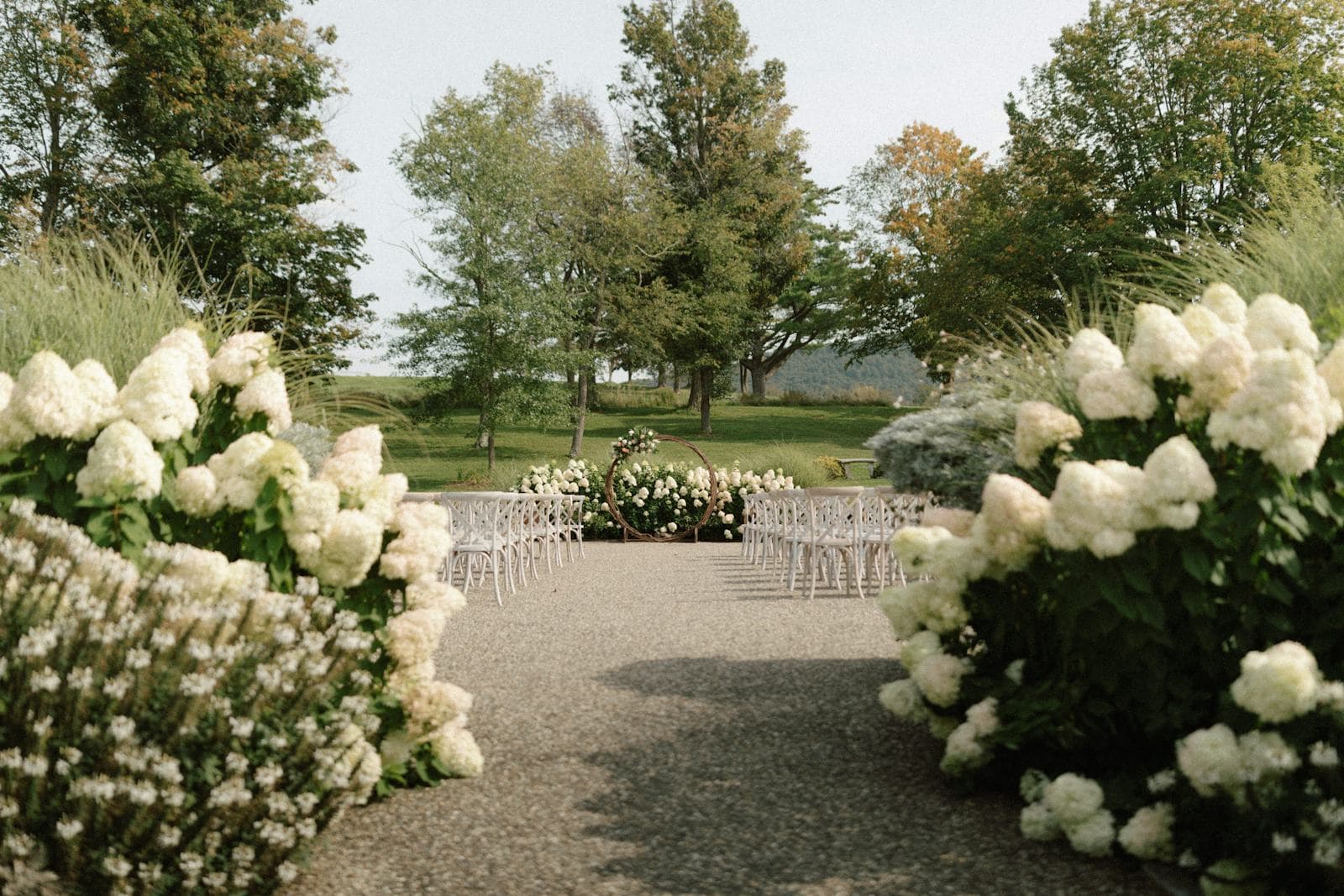
Together with their familiesLauren EllisandJamal Brooksinvite you to celebratetheir marriageSaturday, June 5, 2027at 4:00 in the afternoonElm Creek GardensMinneapolis, MinnesotaReception to follow
Formal. The same line with the date in words and “the pleasure of your company.”
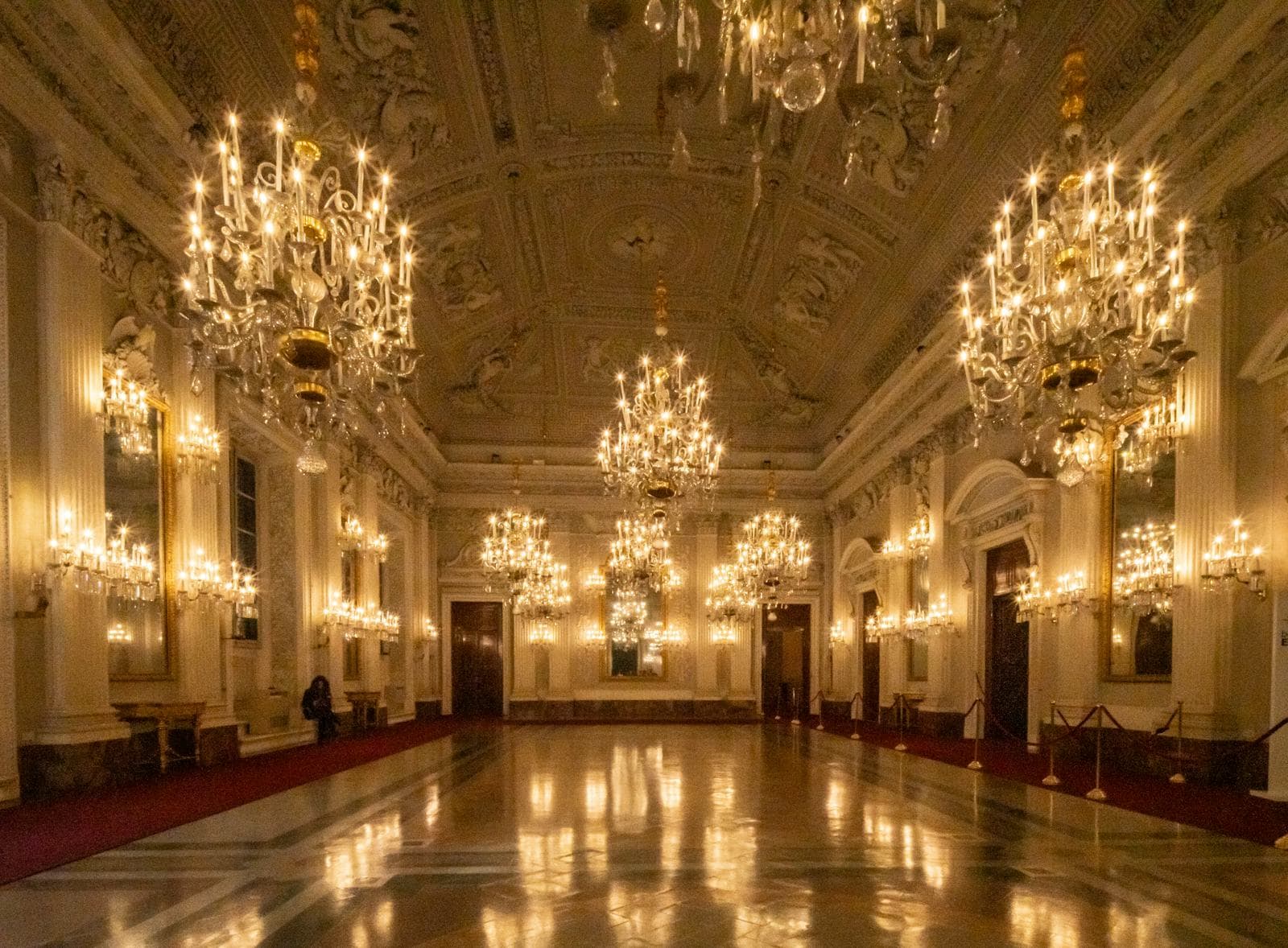
Together with their familiesVictoria HaleandBenjamin Shawrequest the pleasure of your companyat their marriageSaturday, the twentieth of Novembertwo thousand twenty-sevenat half past six o'clock in the eveningThe Fairmont BallroomSan Francisco, CaliforniaDinner and dancing to follow
Religious. A line of thanks first, then “the honor of your presence.”
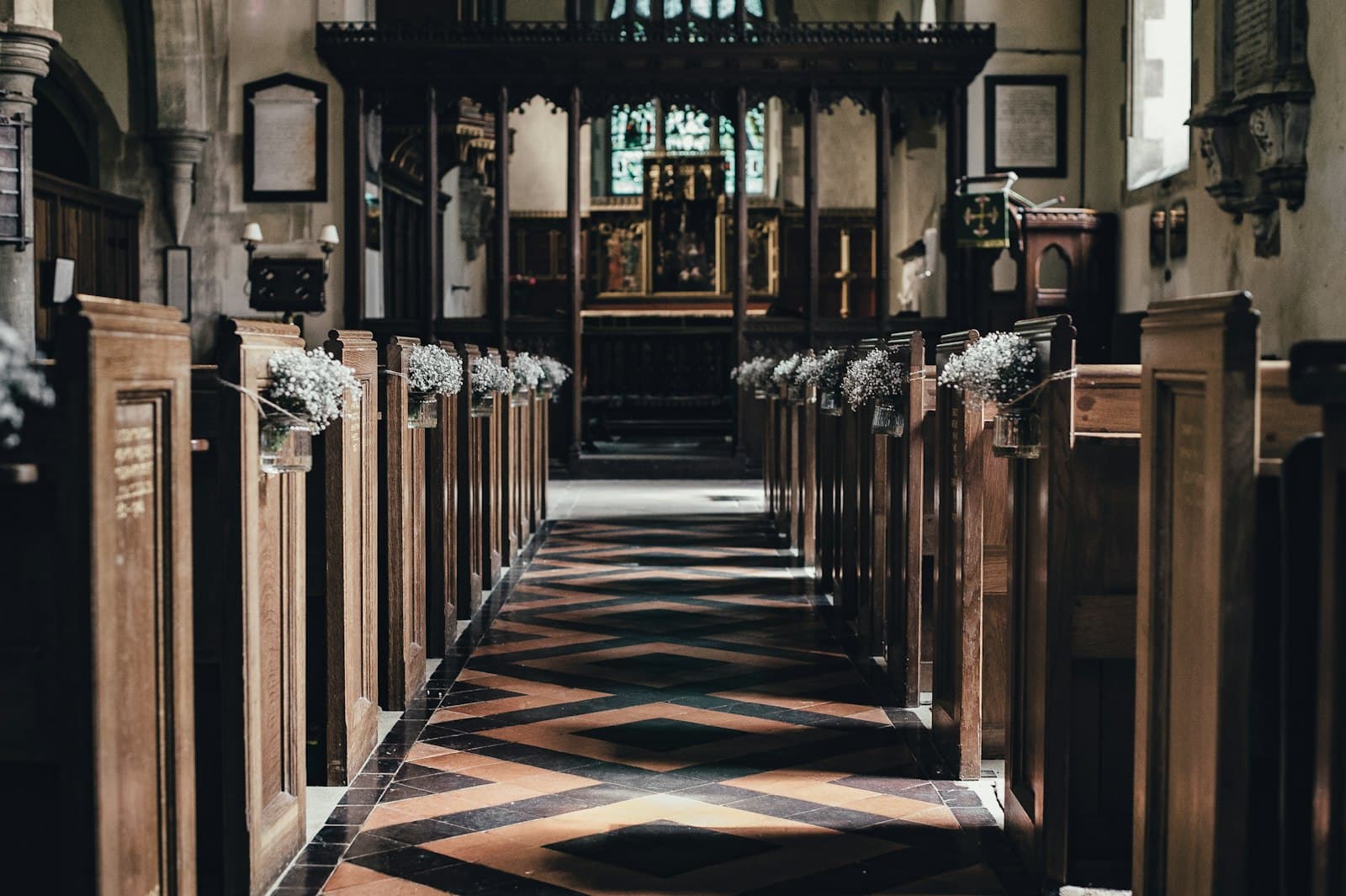
With joy and thanks to GodTogether with their familiesMiriam AdlerandJacob Sternrequest the honor of your presenceat their marriageSunday, the twelfth of Septembertwo thousand twenty-sevenat five o'clock in the eveningTemple Beth ElCleveland, OhioDinner and dancing to follow
Relaxed. Warm and simple, with the time in numbers and the party at a second place.
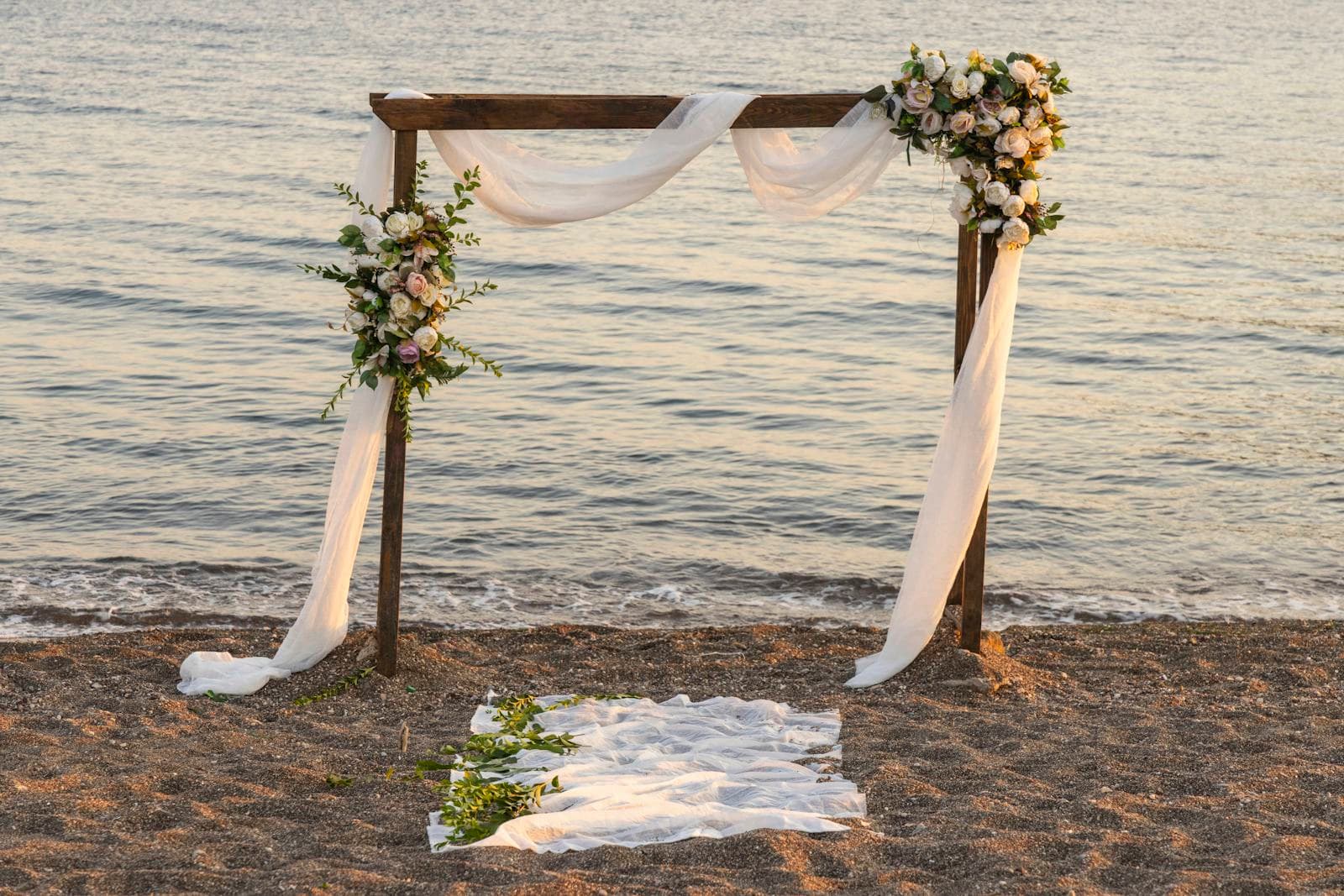
Together with their familiesKayla MossandTyler Grantinvite you to celebratetheir weddingSaturday, July 3, 20276:00 pmDriftwood PointKiawah Island, South CarolinaParty after at The Sandbar
Fun. “The adventure begins,” then the families line and your names.
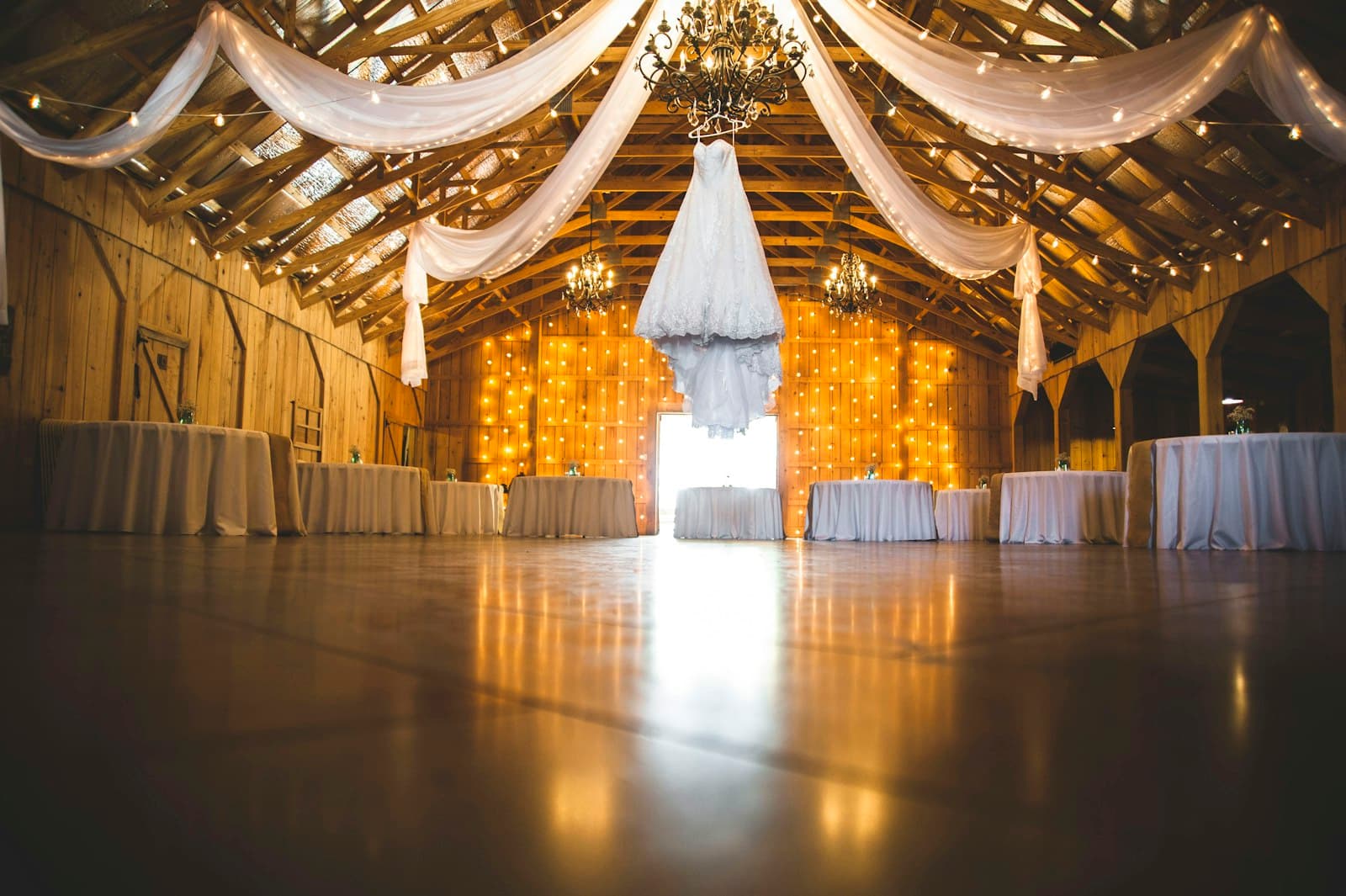
The adventure beginsTogether with their familiesHarper QuinnandLeo Marshinvite you to celebratetheir weddingSaturday, September 25, 20274:30 pmRed Fox BarnNashville, TennesseeDinner, drinks and dancing after
The party is somewhere else. Classic wording that names the reception venue at the end.
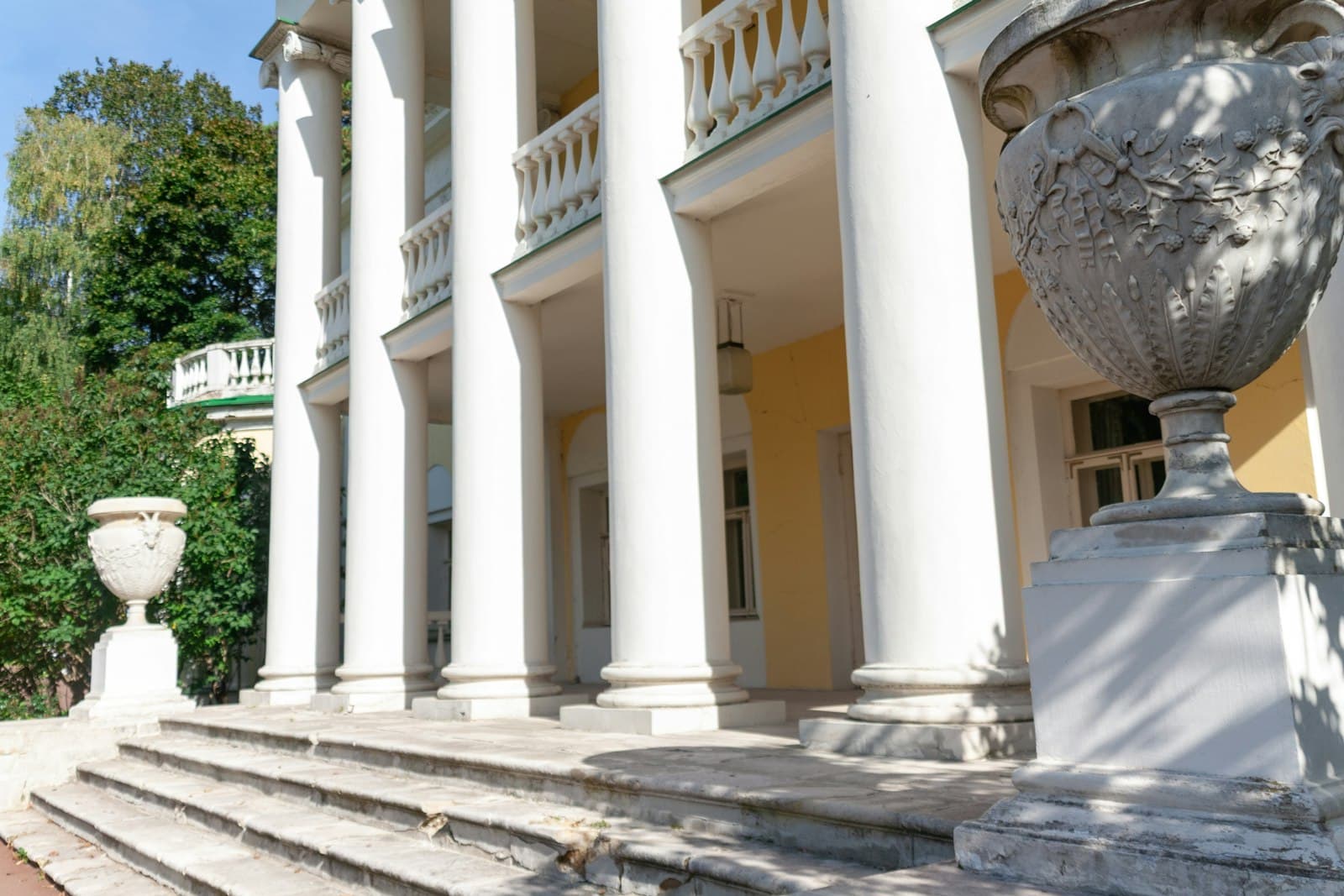
Together with their familiesSofia RomanoandEthan Coleinvite you to celebratetheir marriageSaturday, April 10, 2027at 2:00 in the afternoonSeattle City HallSeattle, WashingtonReception to follow at The Pier House
