Both sets of parents married. Each name with its parents underneath: “daughter of,” “son of.”

Hannah Leedaughter of Jin and Paul LeeandDavid Kimson of Mina and Joon Kiminvite you to celebratetheir marriageSaturday, May 8, 2027at 4:00 in the afternoonRosewood GardensNapa, CaliforniaReception to follow
Her parents are divorced. Both parents are named in full, rather than as a couple.

Natalie Mooredaughter of Diane Moore and Gregory MooreandRyan Fischerson of Ingrid and Karl Fischerinvite you to celebratetheir marriageSaturday, September 11, 2027at 5:00 in the eveningThe Old CourthouseLexington, KentuckyReception to follow
His father has died. He is still named, as “the late,” under his son’s name.

Sarah Goldbergdaughter of Naomi and Alan GoldbergandLuis Ortegason of Elena Ortega and the late Ramon Ortegarequest the pleasure of your companyat their marriageSaturday, the twenty-third of Octobertwo thousand twenty-sevenat six o'clock in the eveningThe Crystal RoomSan Antonio, TexasDinner and dancing to follow
A parent has remarried. The line names her parents; her stepparent can be thanked elsewhere.

Chloe Bennettdaughter of Amy Bennett and Scott BennettandAndre Wallaceson of Renee and Curtis Wallaceinvite you to celebratetheir weddingSaturday, June 12, 20275:30 pmSeabreeze PavilionDestin, FloridaDinner, drinks and dancing after
In a church. A line of thanks, then your names with your parents, and “the honor of your presence.”
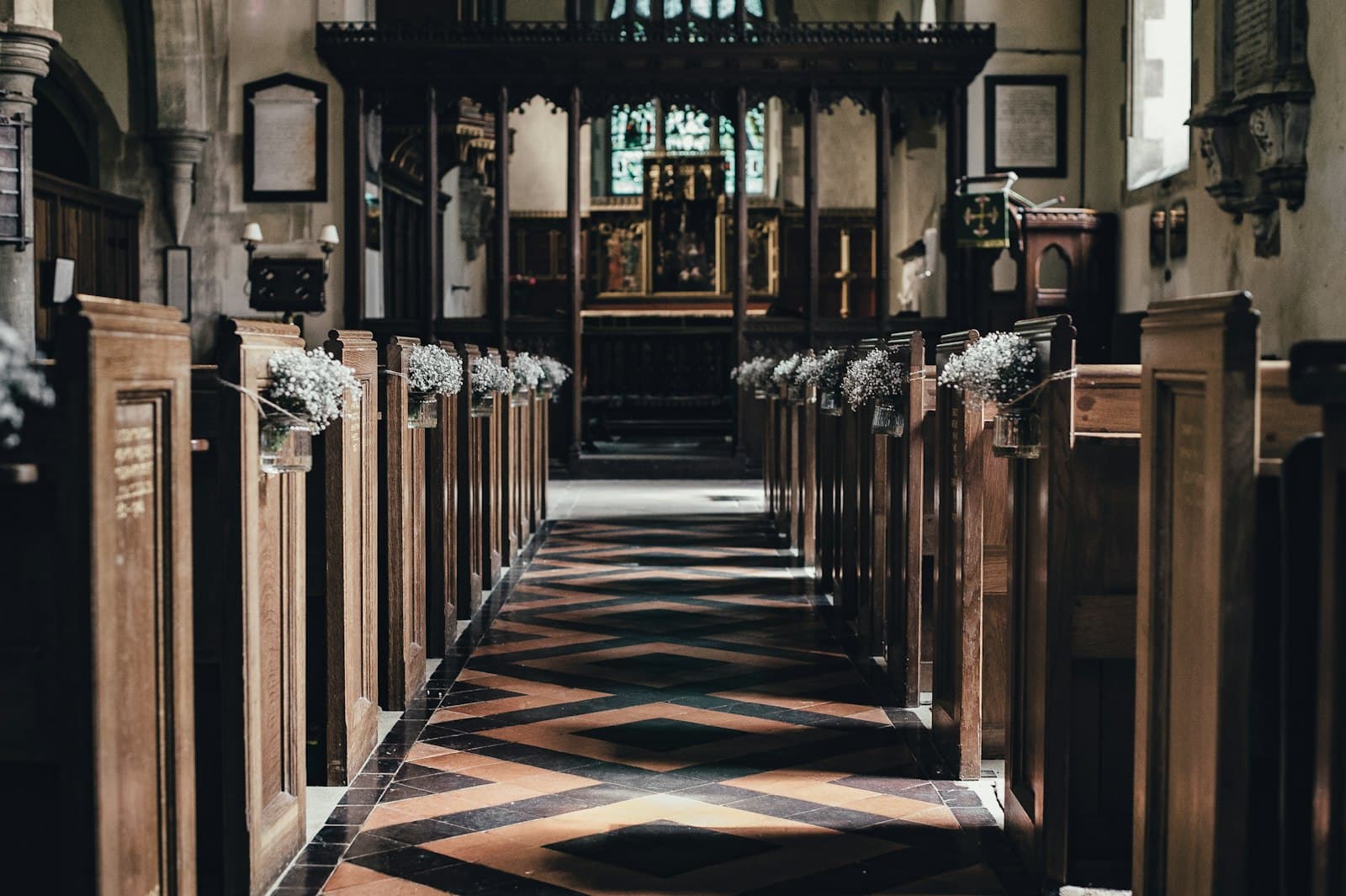
With joy and thanks to GodGrace O’Neilldaughter of Maureen and Sean O’NeillandPatrick Doyleson of Kathleen and Brian Doylerequest the honor of your presenceat their marriageSaturday, the seventh of Augusttwo thousand twenty-sevenat two o'clock in the afternoonSt. Patrick’s ChurchBoston, MassachusettsDinner and dancing to follow
Two different families. On one side a parent has died, on the other the parents are divorced.
Amelia Pricedaughter of Mark Price and the late Susan PriceandJonah Sterlingson of Rachel Sterling and Neil Sterlinginvite you to celebratetheir marriageSaturday, July 24, 2027at 3:30 in the afternoonBrookside GardensWheaton, MarylandReception to follow
